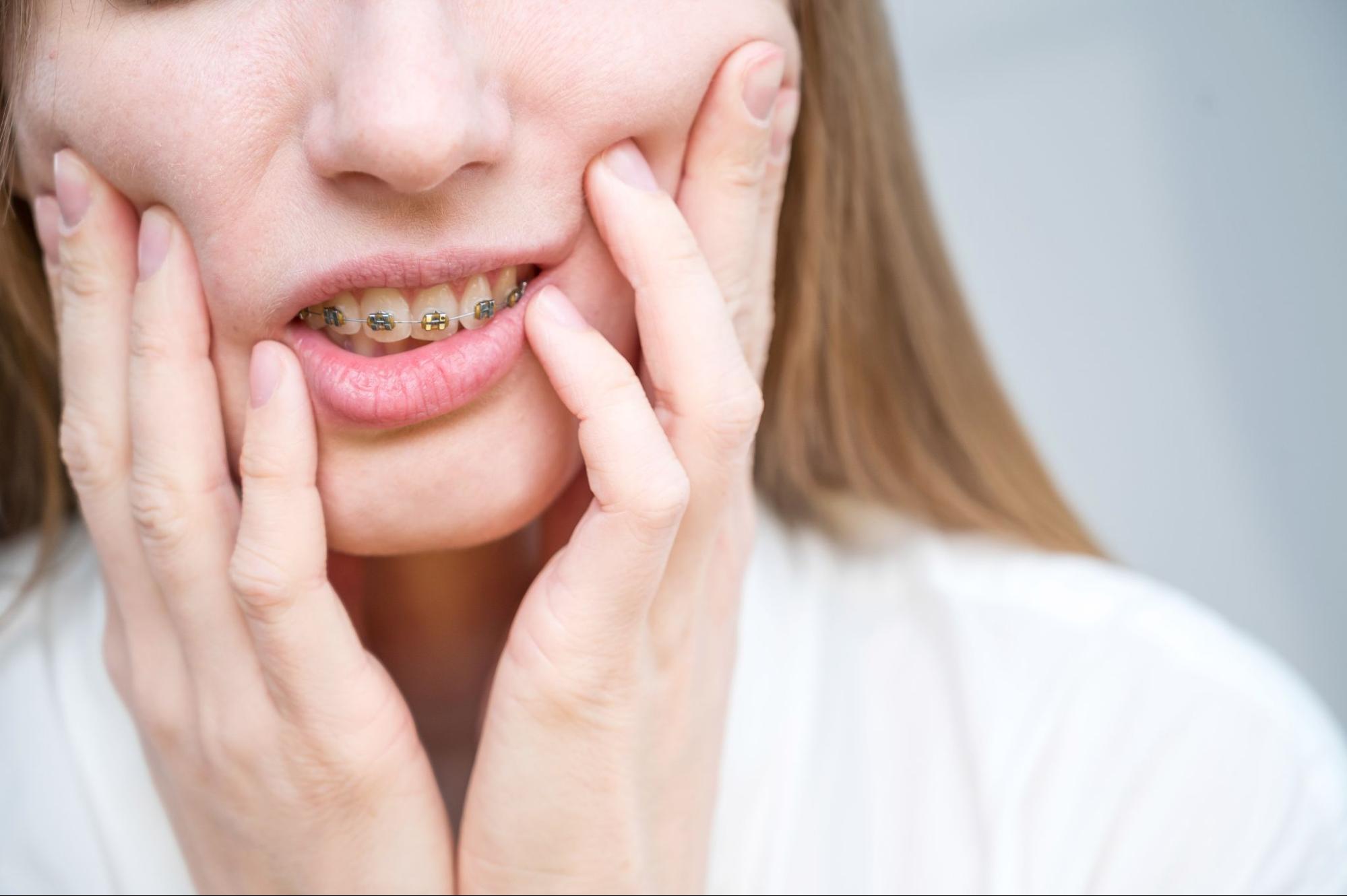
If you typed “How to stop bracespain after tightening” into your search bar, you are probably tired of scrolling through the same ice-pack-and-soft-food tips. Soreness after an adjustment is common, but when it is your mouth or your child’s mouth, you want more than generic advice. You want to know what tends to help fastest, what is safe to try at home, and when it is worth getting in touch with your orthodontist.
In Sacramento, families who see Dr. Damonat Szymanowski Orthodonticsoften want a plan that fits their life, not a long list of suggestions that could apply to any case. That might look like timing pain medicine around school and bedtime, knowing which soft foods actually fill kids up, using saltwater rinses the right way, and spotting the line between normal soreness and a problem that needs a quick call to the office.
What Braces Tightening Soreness Feels Like For Most Patients
Tightening soreness rarely hits the second you leave the chair. For most patients, it builds slowly over a few hours. Teeth start to feel tender when you chew, and even light pressure, like tapping them together, can feel uncomfortable. Kids often say their whole mouth feels “tight” or “heavy,” and parents notice more clinginess, fewer smiles, and a lot of “my teeth hurt” around dinner time and bedtime.
The sensations usually fall into a few patterns. Front teeth may feel sore when biting into something, molars may ache with chewing, and the whole bite can feel a little off. Braces themselves can add to the irritation if a bracket or wire rubs the cheeks or lips. Many patients describe it less like a sharp toothache and more like a deep workout-style soreness in the teeth and jaws. That soreness is a sign the braces are actively working, which matters for orthodontic treatmentprogress, but it can still be frustrating when you are just trying to get through homework and dinner after a long Sacramento school day.
In most cases, the first 24 hours after an adjustment are the hardest. Soreness often peaks that first night, then gradually fades over the next couple of days. If you already know you or your child tends to feel this way after appointments, planning for how to stop braces pain after tightening, from medication timing to soft meals, keeps that normal soreness from taking over the whole routine.
How To Stop Braces Pain After Tightening Once You Get Home
Once you walk in the door after a tightening, the real test starts. A few simple steps at home can calm soreness, make meals easier, and help you or your child rest more comfortably while the braces do their job.
Start Pain Medicine Before The Soreness Peaks
If your orthodontist has cleared over-the-counter pain medicine like ibuprofen or acetaminophen, timing makes a big difference. Taking a dose right after your tightening, or before the numb “pressure” turns into soreness, usually works better than waiting until everything already hurts. For kids, this often means planning a dose just before an after-school appointment or as soon as you walk in the door at home, then another (if allowed) before bedtime so they can sleep. Always follow the instructions on the bottle and your pediatrician’s advice, and avoid giving a child aspirin unless their doctor has said it is safe.
Use Cold For Comfort, Not Just Ice Packs
Cold slows down soreness and helps calm irritated tissues, and it does not always need to be a big ice pack on the face. Many patients in Sacramento feel better with small, frequent “cold breaks” like chilled water, sugar-free popsicles, or cold smoothies sipped slowly. If an ice pack feels good, wrap it in a soft cloth and keep it on the outside of the cheek for short stretches at a time. Skip hard frozen foods that need biting, since they can make sore teeth and brackets feel worse.
Try A Warm Saltwater Rinse For Sore Spots
When gums feel puffy around the brackets, or a wire rubs a little during the tightening, a simple warm saltwater rinse can calm things down. Grab a glass of warm water and stir in a small pinch of salt. Next, swish it around the mouth slowly for half a minute, then spit it back out into the sink.
Older kids and teens can usually handle this on their own once you show them how. This helps keep the mouth fresh and can make braces feel less rough against tender cheeks and lips.

Use Orthodontic Wax And Softer Foods
Even after the best tightening visit, a new wire end or bracket edge can bother the cheeks or lips once you start talking and eating again. Keep orthodontic waxhandy on the bathroom counter, in a backpack, or in your bag. Dry the bracket or wire with a tissue, roll a tiny ball of wax, and press it over the spot that is rubbing. Pair that with a softer bite for a day or two, choosing mashed potatoes, yogurt, pasta, or refried beans instead of crunchy snacks or thick bread.
Easy Meals And Snacks When Chewing Feels Tough
When braces feel sore after tightening, the worst part is usually mealtime. Having a few “go-to” ideas ready makes it easier to keep kids full and comfortable without a battle over food. Think soft, low-chew, and still satisfying, so no one goes to bed hungry.
Here are some ideas to lean on after adjustments:
Breakfast options
- Scrambled eggs with cheese
- Yogurt with soft fruit like bananas
- Oatmeal with peanut butter or cinnamon
- Smoothies with yogurt, milk, and blended berries
Lunch and dinner ideas
- Macaroni and cheese or other soft pasta
- Mashed potatoes with gravy or soft veggies
- Rice bowls with very soft chicken or beans
- Slow-cooked chili or soups with tender ingredients
Snacks that still feel like treats
- Applesauce or fruit cups (no hard chunks)
- Pudding or gelatin cups
- Cottage cheese with soft fruit
- Sugar-free popsicles or smoothies for cold comfort
Keeping a short list like this on the fridge makes it easier to plan around how to stop braces pain after tightening, so you are not scrambling for ideas when everyone is already tired and sore.
When Braces Pain Is Not Normal Anymore
Soreness after a tightening usually follows a pattern. It builds over the first day, peaks that first night, then starts to fade over the next one to two days. Chewing feels tender, teeth feel pressure, and soft foods help. When pain keeps getting worse instead of easing up, or suddenly spikes after it had started to calm down, that is a sign that something more than normal post-tightening soreness may be going on.
Watch for signs like:
- Sharp, stabbing pain in one spot instead of a dull, achy feeling
- A wire that is clearly poking the cheek, tongue, or gums
- A bracket that feels very loose or looks like it has moved
- Swelling in the gums or face, or any sign of pus near a tooth
- Pain that makes it hard to sleep, eat, or focus, even with over-the-counter medicine
- Fever, feeling sick, or trouble swallowing
In those situations, home tips for braces pain after tightening will not be enough. A quick call to Szymanowski Orthodonticsin Sacramento is the right move.

When Soreness After Tightening Feels Like Too Much
Some tightening visits fold right into your day. Other times, the soreness lingers, your child is over it, and you are tired of guessing which tip to try next. That is the point to loop us in.
Call Szymanowski Orthodonticsin Sacramentoand tell the team what has been going on, how long it has hurt, and what you have already tried at home. From there, we can help you sort out the next step with Dr. Damon to smooth a wire or adjust a bracket, or simple changes you can make at home, so the next few days feel calmer for everyone. Schedule your appointmentso we can help right away.
Posted by Dr. Szymanowski