
Yes. An electric toothbrush is the better choice with braces. It clears plaque around brackets and wires more effectively than a manual brush, and built-in timers and pressure sensors take the guesswork out of a good clean. A manual brush can work if your technique is solid, but most people brush too briefly.
Life is all a matter of preference, whether we like Coke better than Pepsi, the book better than the movie, or manual toothbrushes better than electric ones. Take a walk down the toothbrush aisle of any store and you may be overwhelmed by the sheer number of choices on display. Sensitive toothpaste, whitening toothpaste, alcohol or alcohol-free mouthwash, manual or electric brushes, it is a lot. When it comes to toothbrushes, electrics have the edge for patients in braces, and our team is here to help you keep your braces and teeth clean.
Is an electric toothbrush better for braces?
An electric toothbrush promotes better oral hygiene for those with braces, according to studies published in the American Journal of Orthodontics and Dentofacial Orthopedics. It outperforms a manual brush before, during, and after treatment for a few reasons. Good oral hygiene is harder in braces because food gets trapped around the brackets and under the archwires, and an electric brush is simply better at clearing it.
How to brush with braces the right way
Whichever brush you use, the routine matters more than anything. To get the best results, you should be:
- replacing your toothbrush or brush head every three to four months, or sooner if it shows wear or after a cold or illness
- checking for clean, shiny braces with the edges of the brackets clearly visible, since fuzzy or dull metal can signal poor brushing
- flossing at least once a day to remove bacteria and trapped food, using floss threaders or a water flosser for the tighter spaces
- using an antimicrobial and fluoride mouthwash such as ACT
- using fluoride toothpaste and a brush with soft, rounded bristles
- brushing at least three times a day, after breakfast and dinner and after getting home from school
- brushing gently at a 45-degree angle toward the gumline, in small circles across every surface, above and below the brackets
For more on this, our guide to keeping teeth clean around brackets and wires walks through the full daily routine.
Why electric wins around brackets and wires
Settings like timers and adjustable intensity make an electric brush easier to manage, and they suit metal, ceramic, and lingual braces alike. Most models have a built-in two-minute timer that tells you when to stop. Plenty of kids and adults brush for a few seconds and think two minutes have passed, so that timer keeps you honest. Electric brushes also help anyone who brushes too briefly or has limited dexterity or arthritis, and they leave teeth feeling less fuzzy because they lift stains and plaque better. You want to avoid plaque, braces or no braces.
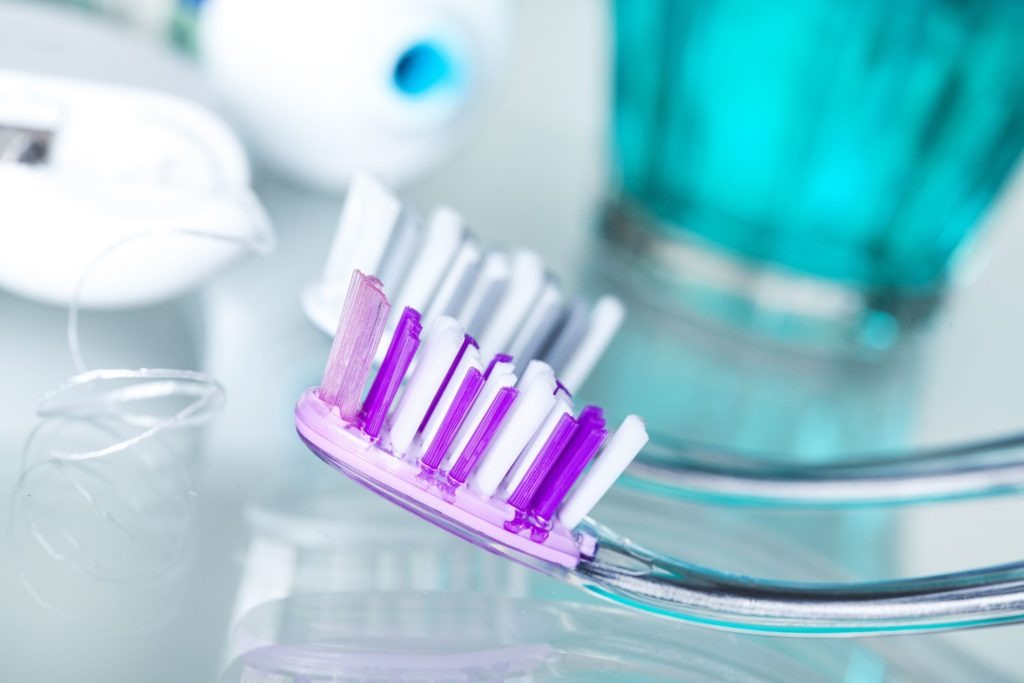
Cavities and gum damage are avoidable just by cleaning your mouth the right way. Many people are surprised to learn they are not brushing correctly, and the timers, sensors, and modes on an electric brush take most of the guesswork out of each session.
Choosing an electric toothbrush for braces
Look for a small head and soft bristles. Let the brush do the work by applying gentle pressure, and take care to clean below and above the wire and around the bands, brackets, and wires for healthier gums. When you buy, look for the ADA Seal from the American Dental Association, which means the brush has been tested for safety and effectiveness. And replace heads more often during treatment, since braces wear bristles down faster.
Do not forget interdental brushes and floss
A manual toothbrush works fine with braces, but it can lead to shorter, less thorough brushing for some people, so aim for two full minutes twice a day at a minimum. An interdental brush helps you reach the backs and the tight spots between teeth that either brush can miss. A few small habits that make braces easier day to day go a long way toward a clean, healthy smile.
Frequently asked questions
Is an electric toothbrush good for braces?
Yes. An electric toothbrush removes plaque around brackets and wires more effectively than a manual brush, and its timer and pressure sensor help you brush long enough without pressing too hard.
Can you damage braces with an electric toothbrush?
No, not when used correctly. Choose a soft-bristled brush with a small head, let the brush do the work, and move gently around brackets, bands, and wires rather than pressing hard.
How often should you replace a toothbrush or brush head with braces?
Every three to four months, and sooner if the bristles look worn or after an illness. Braces wear bristles down faster, so replace them more often than you would without braces.
Electric or manual toothbrush, which is better for braces?
Both clean teeth, but electric has the edge during treatment because most people brush longer and more consistently with one. A manual brush works well if your technique and timing are good.
Whatever your preference, our team is here to support you toward a healthier smile and happy to answer any question about brushing, flossing, and your care. If you are in the Sacramento area, book a visit at our Sacramento office.
Posted by Dr. Szymanowski